
Glaucoma Screening
NATIONAL AVERAGE
NATIONAL AVERAGE
What Our Customers Say
Browse 3 Providers in these Locations
Shop with
Peace of Mind

Procedure Details
Glaucoma screenings are ideal for everyone, though they need to be performed more often past the age of 40. Up to age 40, a screening is ideal every two to four years. Between 40 and 54, a screening is ideal once every one to three years. Beyond 55, people should have a glaucoma screening every year. A comprehensive glaucoma screening will involve several tests. Tonometry tests the pressure of the inner eye. Ophthalmoscopy is a dilated eye exam which examines the shape and the color of the optic nerve. Perimetry is a visual field test which examines the entire field of vision.
Gonioscopy is an exam that looks at the angle where the cornea and the iris meet. Pachymetry examines the cornea's thickness. The two most routine eye exams in a glaucoma screening are the ophthalmoscopy and the tonometry exams. Physicians may recommend additional tests as part of glaucoma screening depending on the patient's age and history.
Get Care In Three Easy Steps
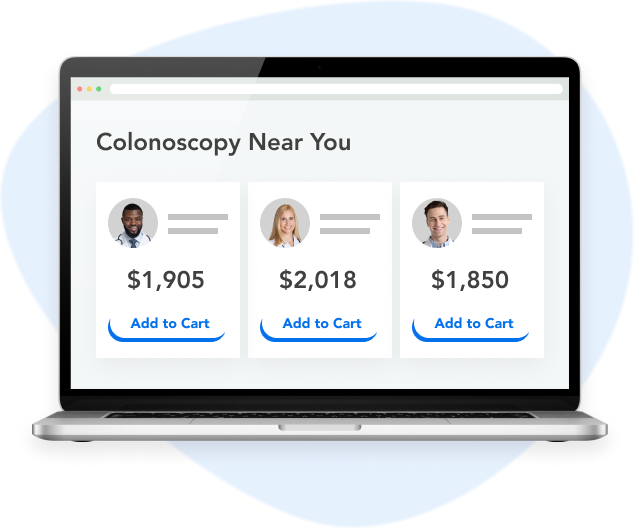
Compare Upfront Prices
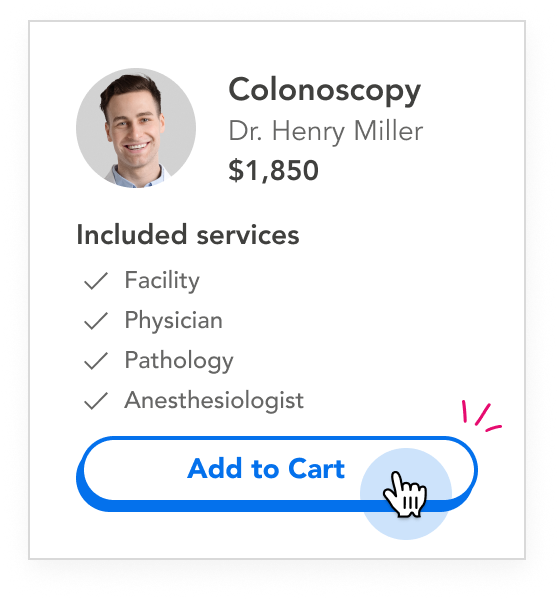
Buy Your Procedure
Receive Your Care